- State: AZ
- NPCA Region: Southwest
- Est. Date: 1931
Air Quality Conditions
View the Polluted Parks ReportVisibility
Unsatisfactory
Health
Unsatisfactory
Nature
Unsatisfactory
Climate Change Threats
Three and a half hours east of the world-famous Grand Canyon, a majestic but much lesser-known canyon offers a more solitary Southwestern experience on colorful lands entirely within the Navajo Nation. Drive along the north and south rims to enjoy incredible vistas, including a view of the park’s dramatic 800-foot monolith, Spider Rock. Hike the only public trail (two and a half miles round-trip) into the canyon to see the White House Ruin left by Ancestral Puebloans. Hire a Navajo guide to explore even more of the canyon’s geology and learn about the native people who continue to live and grow food in the canyon as their families have for generations.
"Deep in the Rock"
The name Canyon de Chelly (pronounced "shay") derives from the Navajo word for the region, Tséyi’, which translates to "deep in the rock."
-
Magazine Article
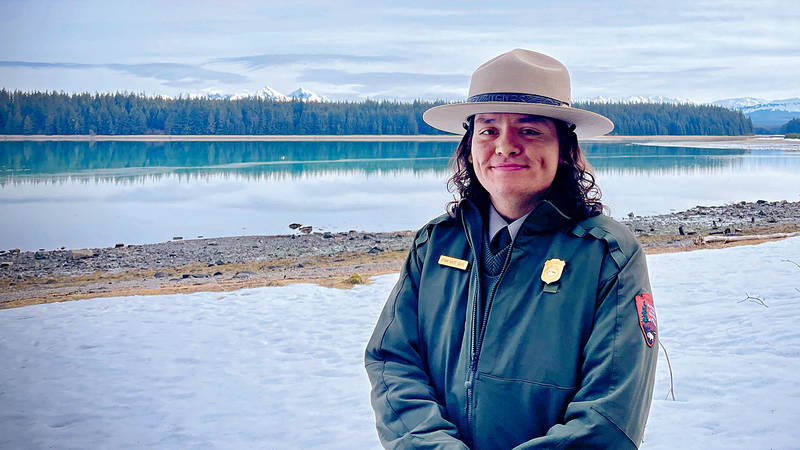
We’re Still Here
Every national park site sits on ancestral lands. So what does it mean to be a Native American working for the Park Service today?
-
Blog Post
The 10 Most-Visited Parks — and Less-Visited Side Trips
It's no surprise millions of people flock to America's most celebrated national parks. But did you know about these 10 lesser-known sites nearby?
Donate
Preserve Our Parks
Make a tax-deductible gift today to provide a brighter future for our national parks and the millions of Americans who enjoy them.
Donate Now