- State: TX
- NPCA Region: Texas and Oklahoma
- Est. Date: 1974
Air Quality Conditions
View the Polluted Parks ReportVisibility
Unsatisfactory
Health
Unsatisfactory
Nature
Significant Concern
Climate Change Threats
Spanning seven counties and nine ecosystems, not far from the Texas-Louisiana border, Big Thicket National Preserve weaves together internationally renowned biological diversity with the rich history of many generations of people who have relied on this land for safety and survival.
Early European settlers referred to the area as “the Big Thicket” because of its lush, dense forest and canopies. But the region had been utilized for thousands of years prior by the Atakapa-Ishak, and later the Alabama-Coushatta people, who migrated westward in the late 1700’s and established this area as their homeland.

Protecting over 100,000 acres of wilderness, this region teems with a delicate tapestry of wildlife and has been called “The Biological Crossroads of America.” But increased extreme weather, and development are harming the Big Thicket and adjacent Southeast Texas communities – displacing wildlife, impacting park facilities and community infrastructure as well as changing the historical landscape.
NPCA is working to protect the parks from these impacts by restoring important native habitat and connect the landscape to ensure a resilient economic and sustainable future for Big Thicket and the southeast Texas region. We are doing this work in multiple ways including restoring the native longleaf pine ecosystem, recovering the endangered red-cockaded woodpecker, strategic conservation and acquisition of lands to mitigate flooding risks and adapt to impacts of a changing climate, and enhancing recreational resources as a growing economic asset for local communities.
This area had its own very special qualities, but that you have to refocus your vision a little. It’s not a matter of geysers or mountains or waterfalls or anything like that. It’s a matter of looking at what you have and determining what’s interesting about this.
Maxine Johnston
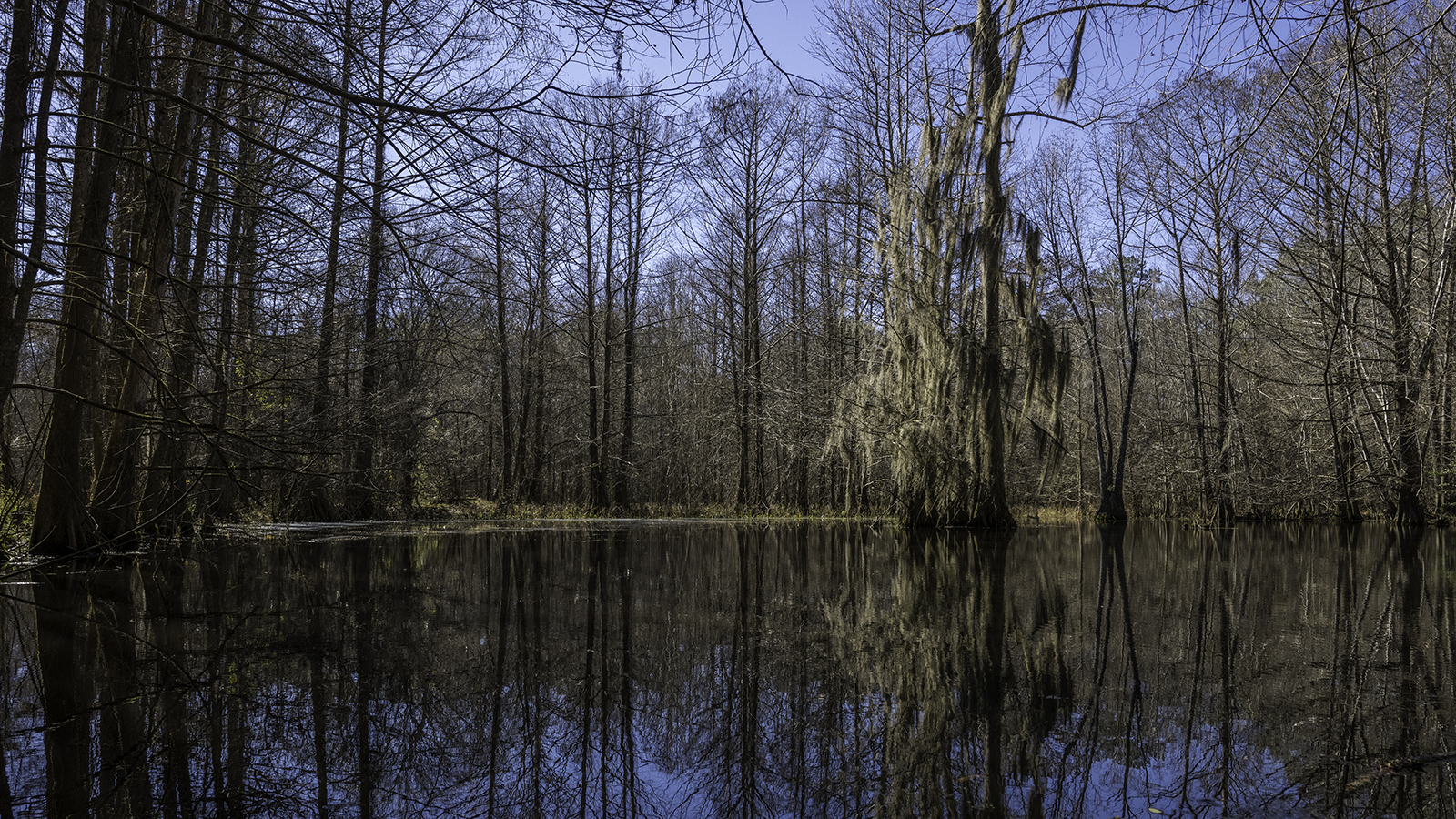
View of the lower Neches River corridor unit.
Sandra Ramos, NPCA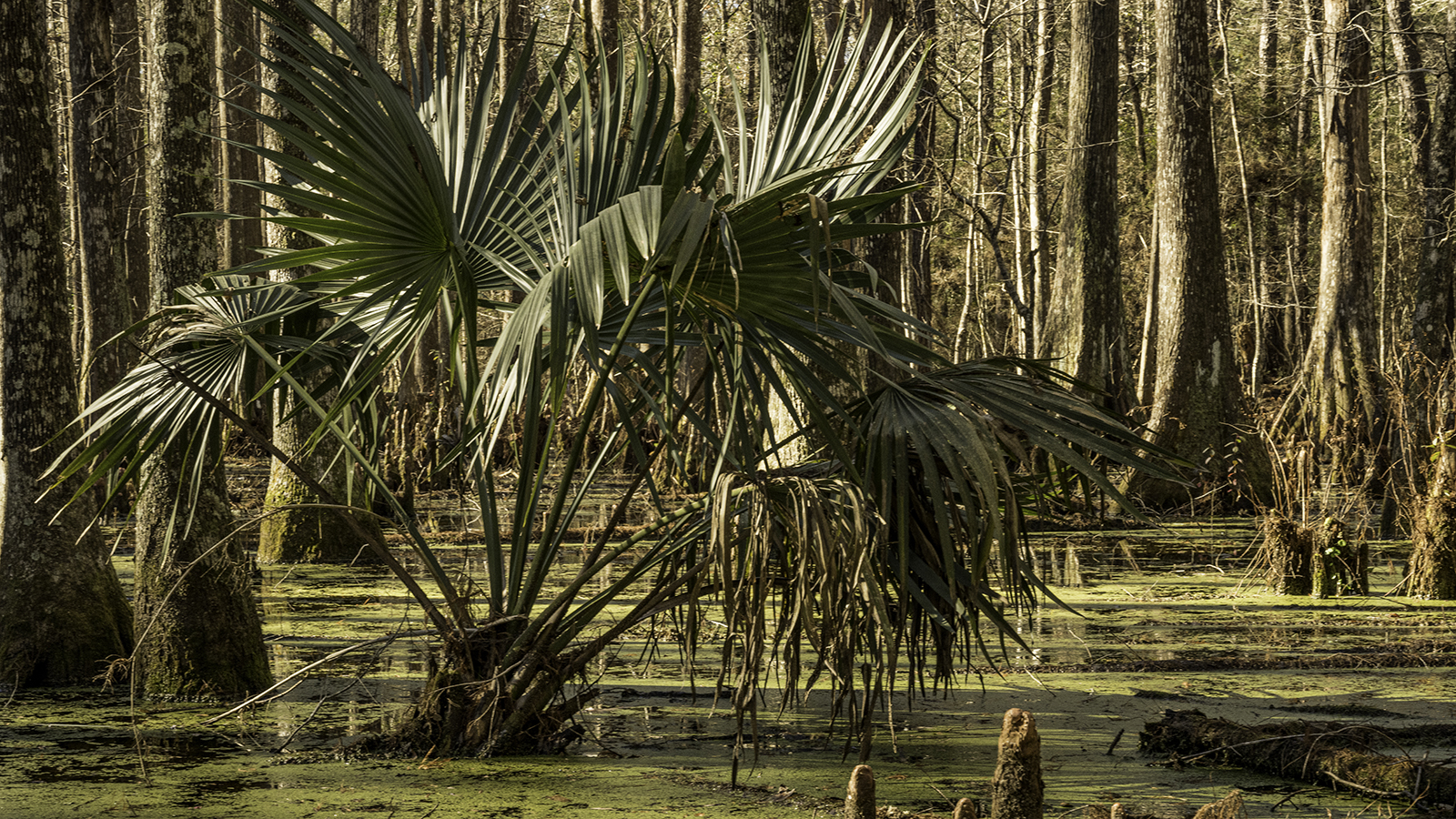
Saw palmetto enjoying the sunshine in the Lance Rosier unit.
Sandra Ramos, NPCA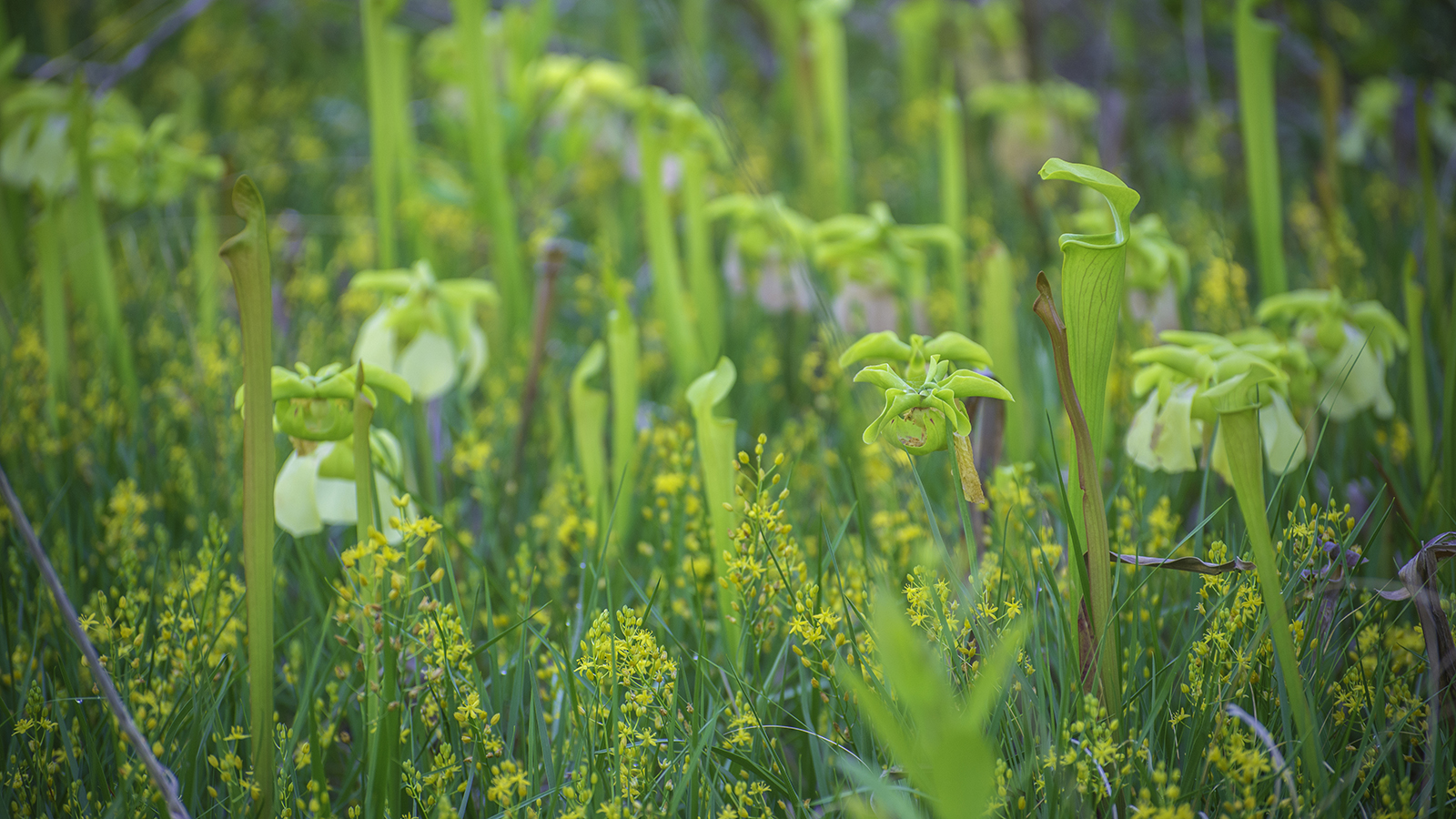
Pitcher plants along the Big Sandy Creek trail.
Sandra Ramos, NPCA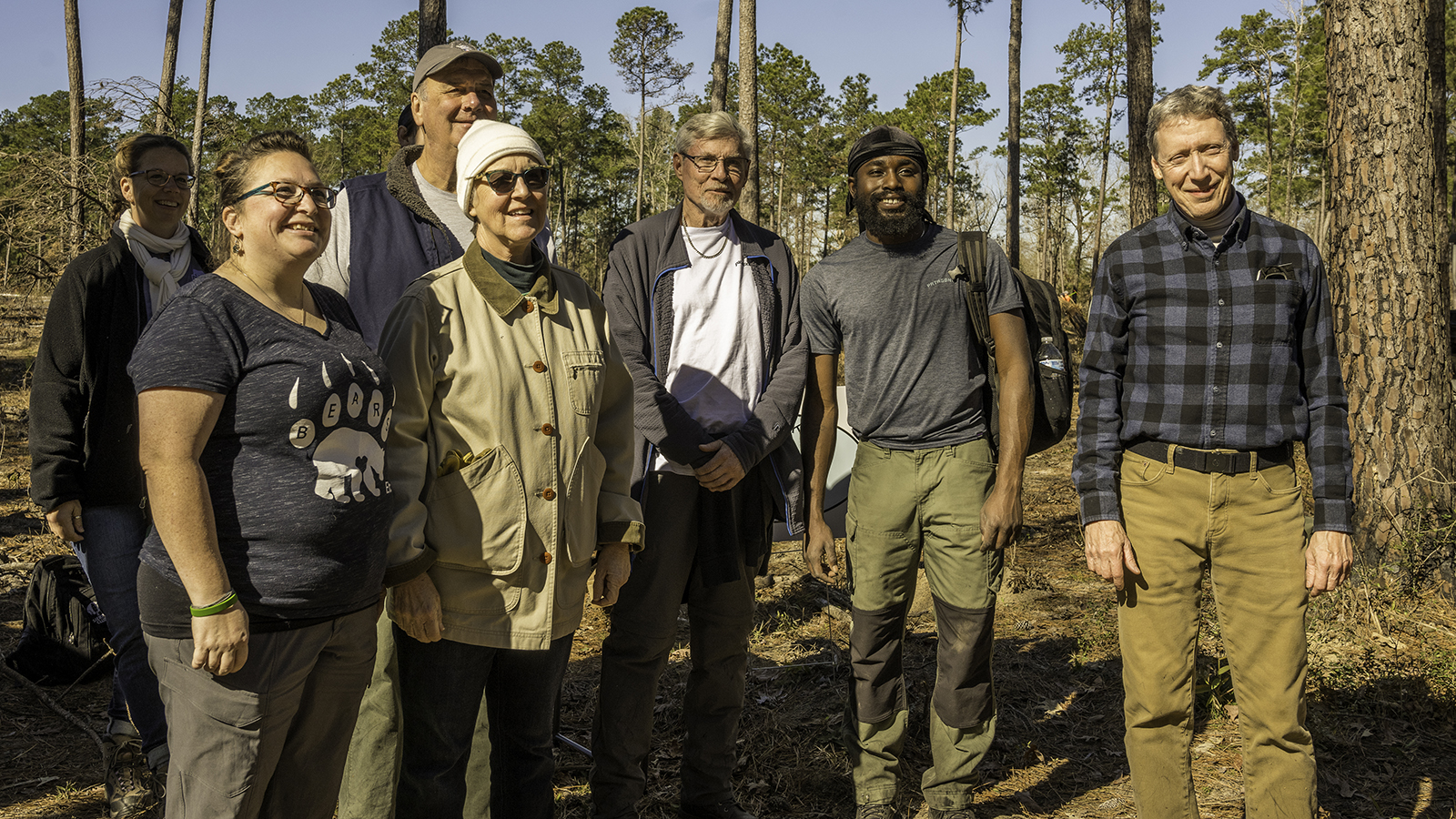
Volunteers pose after a day of longleaf pine planting in February 2022.
Sandra Ramos, NPCA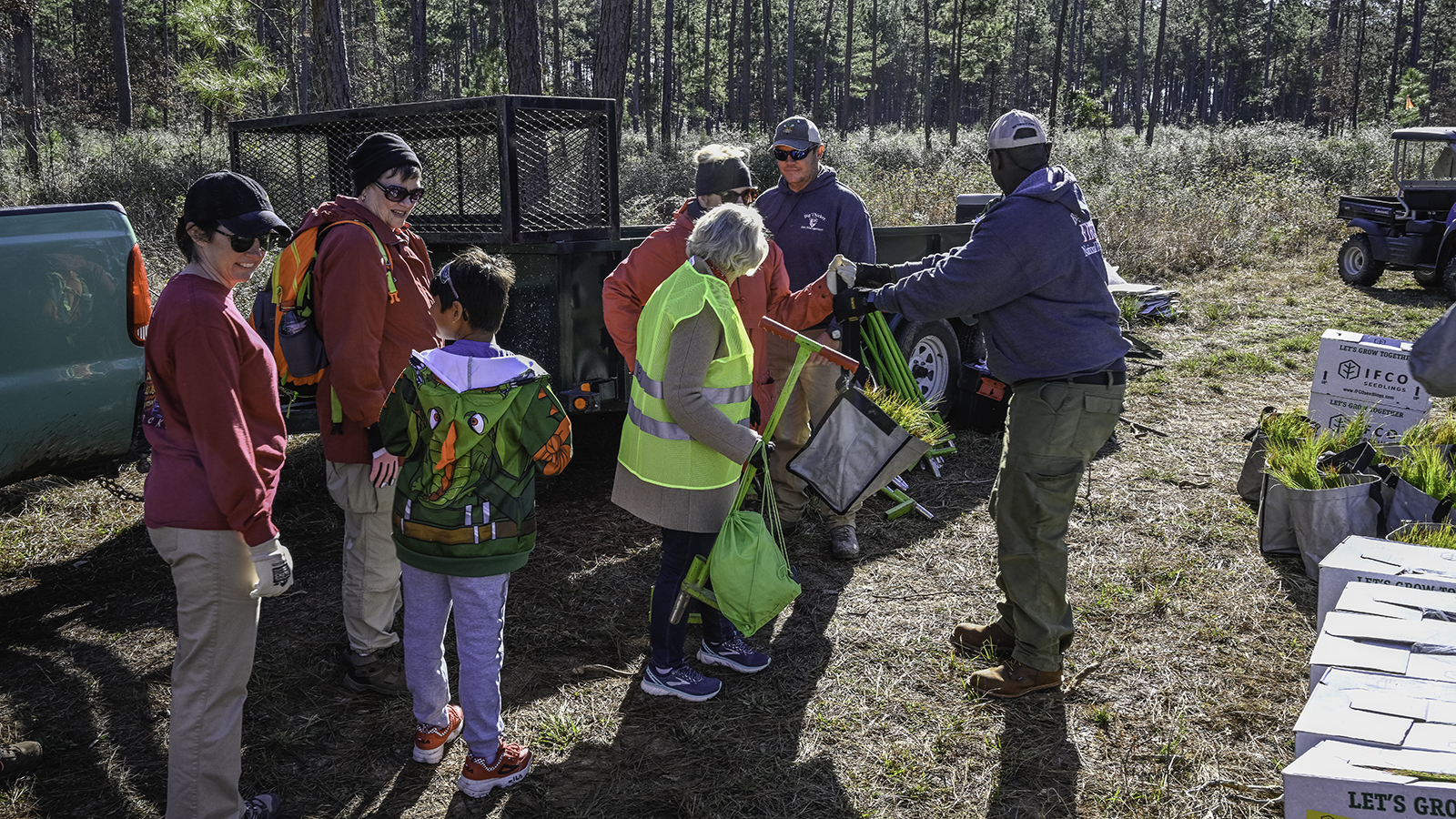
Volunteers prepare for a day of longleaf pine planting in February 2020.
Sandra Ramos, NPCA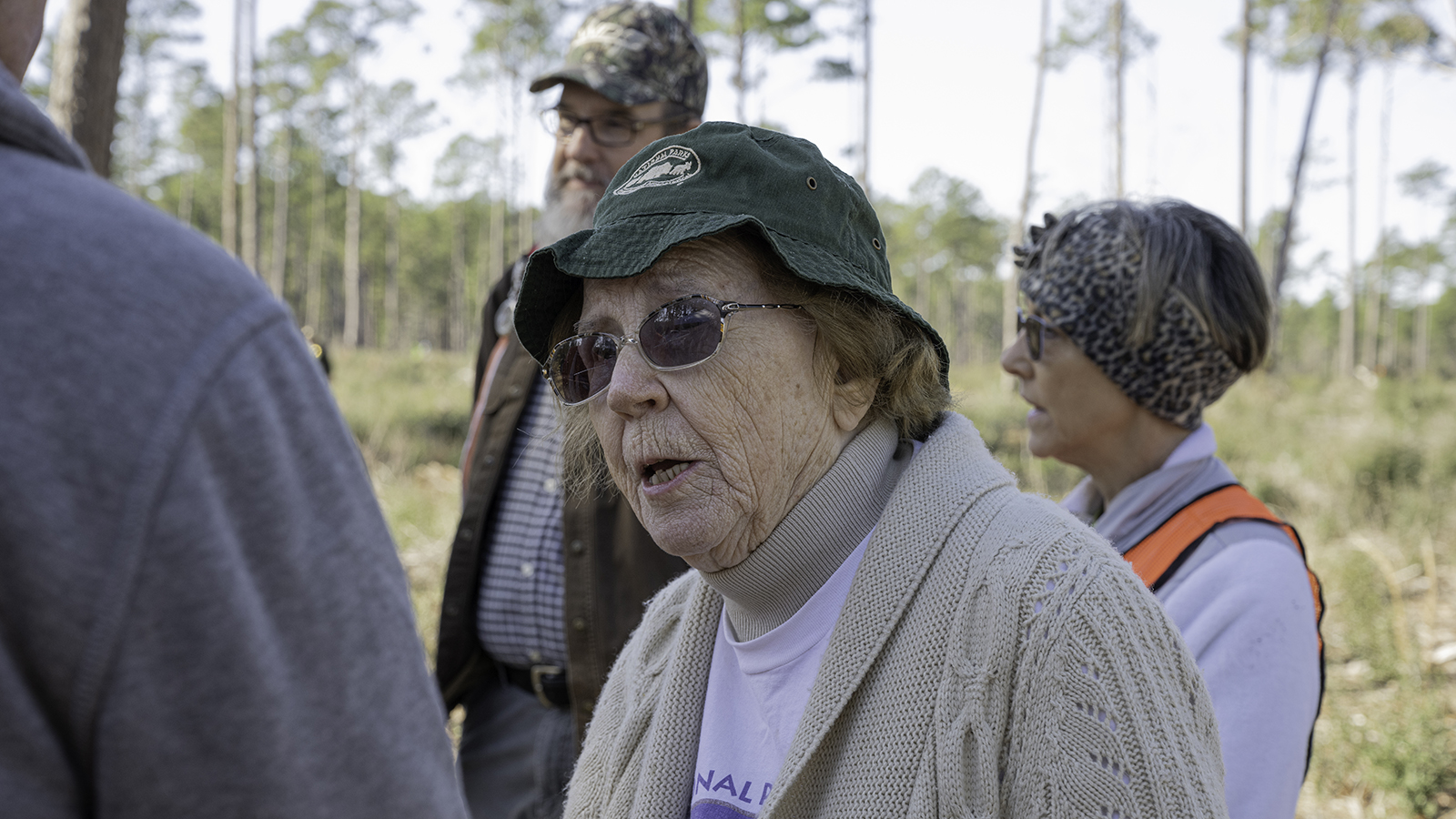
Maxine Johnston, “Godmother of the Big Thicket”
Defending Wildlife
The endangered Red Cockaded Woodpeckers (RCW) have not been seen in the Big Thicket National Preserve since the early 1990s. NPCA is actively working with the Preserve and regional scientists to bring back important components of the bird’s habitat to the park, with a plan to reintroduce this keystone species. RCWs are a ‘keystone’ species because use of the tree cavities created by these animals contributes to the species’ richness of the pine forest. A recent survey for suitable habitat for the RCW indicated this reintroduction effort could be accomplished sooner than expected. With the support of park advocates and enhanced habitat management and coordination with conservation partners, the Big Thicket can be a thriving home for these threatened species.
-
Magazine Article
A Growing Gallery
How one woman’s vision turned into a multi-year project that has brought thousands of student artworks to dozens of national park sites.
-
Blog Post
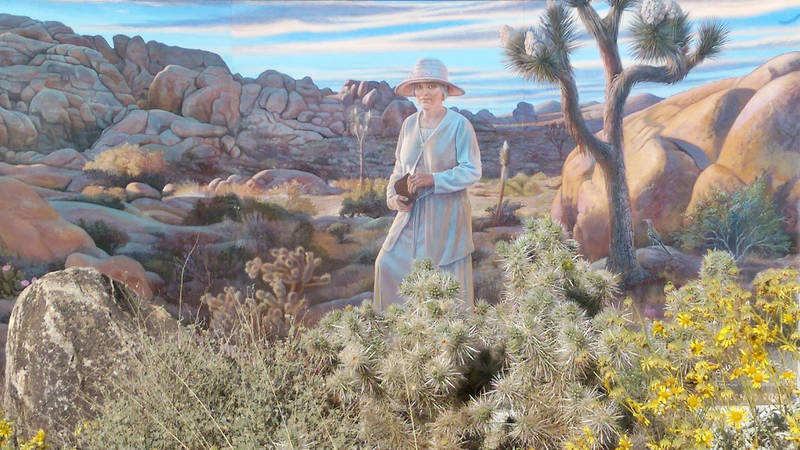
These 10 National Parks Wouldn’t Exist Without Women
From Joshua Tree to Great Sand Dunes, these 10 special places are protected today thanks to their female champions.

More about Big Thicket
-
Read more about Big Thicket National Preserve
Fact Sheet Big Thicket National Preserve A Biological Crossroads of the Southeast
-
Read more about A Legacy Threatened
Report A Legacy Threatened NPCA's photo book shows the damage to parks caused by the 2017 hurricanes.
-
Read more about NPCA Find Your Voice: Big Thicket
Video NPCA Find Your Voice: Big Thicket National Parks belong to you. See how a group of young advocates in Texas learned how to explore, protect, and advocate for their park as a part of the National Parks Conservation Association’s Find Your Voice initiative.
-
Read more about It's the Best Year to Enjoy National Parks: 10 Reasons Why
Blog Post It's the Best Year to Enjoy National Parks: 10 Reasons Why It's the 100th birthday of the National Park Service, with opportunities to celebrate the parks throughout 2016. From planting a “Centennial Forest” in Texas to counting species of plants and animals on the National Mall in Washington, D.C., here are 10 ways to take your appreciation for national parks to historic levels in 2016.
-
Read more about Can Volunteers Build a Bigger Thicket?
Blog Post Can Volunteers Build a Bigger Thicket? Dedicated Texans will put on their work gloves this winter to help a tree we’ve been loving to death
-
Read more about 10 Hidden Gems in the National Park System
Blog Post 10 Hidden Gems in the National Park System Want to explore a few remarkable places off the beaten path? These 10 NPCA picks offer great ways to escape the crowds while enjoying unique, underappreciated natural and cultural treasures around the country.
-
Read more about Texas Pride
Report Texas Pride This report profiles the 13 national park sites here in Texas, visited annually by nearly 5.5 million people. They are the pride of our state and economic boons to local communities, with national park tourism providing nearly 5,000 jobs and $308 million annually for state and local economies.
-
Read more about Center for State of the Parks: Big Thicket National Preserve
Report Center for State of the Parks: Big Thicket National Preserve Current overall conditions of Big Thicket’s known natural resources rated a “fair” score of 69 out of 100. Overall conditions of the park’s known cultural resources rated 42 out of a possible 100, indicating “poor” conditions.
Donate
Preserve Our Parks
Make a tax-deductible gift today to provide a brighter future for our national parks and the millions of Americans who enjoy them.
Donate Now