- State: MD
- NPCA Region: Mid-Atlantic
- Est. Date: 1890
Air Quality Conditions
View the Polluted Parks ReportVisibility
Unsatisfactory
Health
Unsatisfactory
Nature
Significant Concern
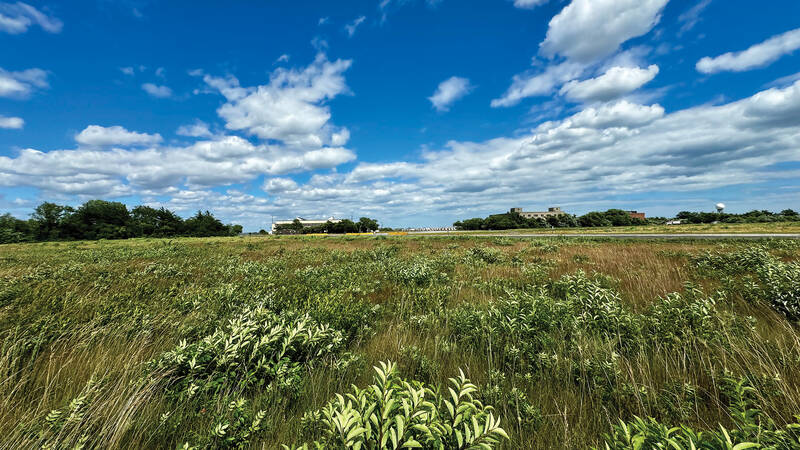
On September 17, 1862, Union and Confederate soldiers battled for 12 savage hours on the banks of Antietam Creek. When the fighting was over, 23,000 people were killed, wounded or missing, making it the single bloodiest day of the Civil War. The Union Army’s performance led President Abraham Lincoln to issue the preliminary Emancipation Proclamation, formally alerting the Confederacy of his intention to free enslaved Americans in those states. Today, Antietam National Battlefield is one of the best-preserved Civil War sites in the country where visitors continue to honor the legacy of the soldiers who fought there.
-
Magazine Article
Greener Acres
An ambitious initiative seeks to restore native grasslands at dozens of Eastern national park sites.
-
Blog Post
Trump Administration Rollback Could Hurt These 10 Parks
Revisions to the Clean Water Rule could have real, on-the-ground consequences for hundreds of national park sites — including these 10.

More about Antietam
-
Read more about The Giving Trees
Podcast Episode The Giving Trees Witness trees stood in significant places at key moments in American history, linking past and present and shaping our understanding of both. But what happens when witness trees fall? A unique partnership between the Rhode Island School of Design and the National Park Service lets their stories live on.
-
Read more about Birds on the Battlefield
Magazine Article Birds on the Battlefield As green space shrinks and suburbs expand, a growing number of wildlife seekers are heading to historic parks for their nature fix.
-
Read more about A Different Kind of Field Work
Blog Post A Different Kind of Field Work Farmers help preserve the historic feel at parks by keeping traditional crops on their landscapes.
-
Read more about Staff Picks: 11 Spectacular Roads for Riding Your Bike
Blog Post Staff Picks: 11 Spectacular Roads for Riding Your Bike From leisurely rides to challenging climbs, national parks offer riding opportunities for cyclists of all abilities. Check out top recommendations and advice from NPCA enthusiasts on where to go and what to see.
-
Read more about The Anniversary Gift
Magazine Article The Anniversary Gift As Civil War sites continue to mark 150 years since America's most important conflict, Harpers Ferry, Antietam, and Gettysburg tell old stories in a new light.
Donate
Preserve Our Parks
Make a tax-deductible gift today to provide a brighter future for our national parks and the millions of Americans who enjoy them.
Donate Now