- State: OR
- NPCA Region: Northwest
- Est. Date: 1974
Air Quality Conditions
View the Polluted Parks ReportVisibility
Unsatisfactory
Health
Unsatisfactory
Nature
Unsatisfactory
Climate Change Threats
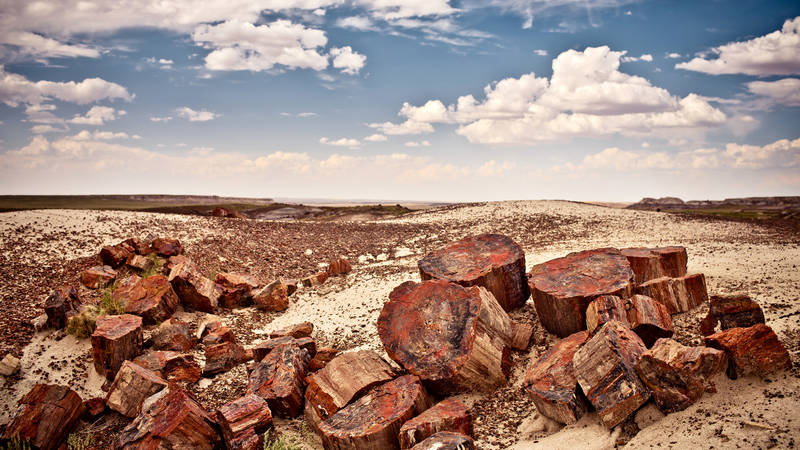
Some 54 million years ago, this entire region of Oregon lay beneath the Pacific Ocean. Within the striated rock, scientists have found fossilized evidence of more than 2,200 plants and animals and of great shifts in temperature and precipitation that may reveal clues to the planet’s climactic cycles. The park’s 14,000 acres are divided into three parts — the Clarno, Painted Hills and Sheep Rock Units — offering rugged hiking trails, spring and summer wildflowers, scenic drives, and of course, a museum of fascinating fossils to help visitors reflect on the planet’s long history.
Unburied Treasures
The fossils at John Day span 40 million years and offer one of the richest evolutionary records of the Cenozoic Era, including prehistoric alligators, bears, dogs, pigs, horses, cougars and even hippopotamuses. The Thomas Condon Paleontology Center in the Sheep Rock Unit has more than 500 of these fossils on display.
-
Blog Post
6 National Parks That Will Benefit from New Fossil Protections
In early September, the Interior Department implemented a long-awaited rule that will protect fossils from theft and loss on hundreds of public lands, including national park sites. Here are just…
-
Blog Post
Total Eclipse? Totally Worth It
Undeterred by long drives and short nights, thousands relish a rare total solar eclipse at Oregon's John Day Fossil Beds National Monument.

More about John Day Fossil Beds
Filter By
-
Read more about Protecting The Painted Hills
NPCA at Work Protecting The Painted Hills The Painted Hills, one of three park units that make up John Day Fossil Beds National Monument, are home to some of the rarest paleontological features in North America that tell a unique story of changing climate, and plant and animal life over millions of years. Through collaborative restoration and shared stewardship, NPCA and its partners are working to reconnect lands, strengthen the monument, and ensure that this remarkable landscape is permanently protected.
-
Read more about Are You Heading for Eclipse Chaos? Me, Too
Blog Post Are You Heading for Eclipse Chaos? Me, Too John Day Fossil Beds National Monument in Oregon — one of the best spots in the country to view the solar eclipse on Monday — is expecting a quarter of its annual visitors in just one day. Should I brave the crowds?
-
Read more about Where to Touch a Dinosaur, and Other Incredible National Park Fossil Sites
Blog Post Where to Touch a Dinosaur, and Other Incredible National Park Fossil Sites Cool creatures from the past and where to see them
-
Read more about 9 Wildlife Success Stories
Blog Post 9 Wildlife Success Stories National parks provide critical habitat for a variety of animals—in some cases, they are the only places that threatened or endangered species have left to call home.
Donate
Preserve Our Parks
Make a tax-deductible gift today to provide a brighter future for our national parks and the millions of Americans who enjoy them.
Donate Now