© Xavigrap/Dreamstime
Regional Haze
Clear Solutions for Parks
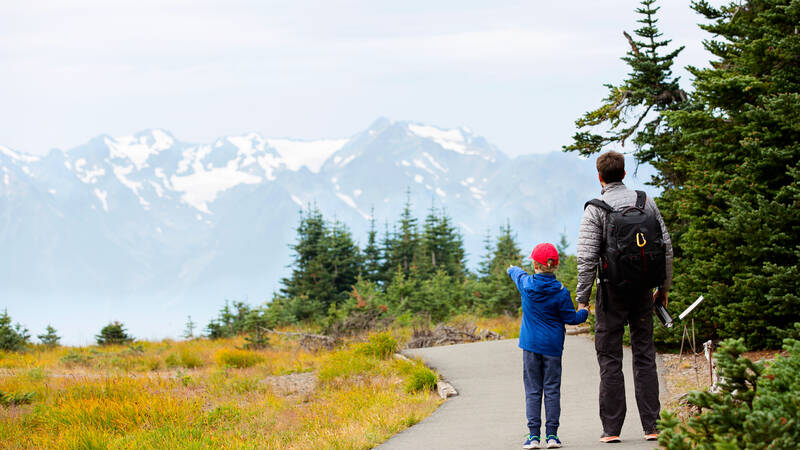
Millions of people visit U.S. national parks and wilderness areas each year to see some of the most awe-inspiring views in the world. Visitors imagine national parks as having the…
-
Air & Climate Report
Polluted Parks
National parks are home to some of America’s most iconic landscapes and best-preserved cultural and historic sites, and these places need clean air and a healthy climate to flourish. Yet…
-
Blog Post
FAQs: Air Quality in National Parks
NPCA has released its 2024 “Polluted Parks” report, showing 97% of national parks suffer from air pollution. Meanwhile, the Environmental Protection Agency recently strengthened its air quality standards, which will…

More about Air
Filter By
-
Read more about EPA: clear our parks and communities of air pollution.
ActiveAction EPA: clear our parks and communities of air pollution. Urge EPA to ensure all states are held accountable for reducing air pollution emissions within their boundaries. It is time for strong regional haze plans in every state.
-
Read more about Parks need improved air monitoring to address pollution
NPCA AT WORK Parks need improved air monitoring to address pollution Monitoring data is essential to better understand and improve air quality in parks while spotting nationwide trends affecting public health and ecosystems.
-
Read more about Air Pollution in Colorado: Our Lives and Parks at Risk
NPCA at Work Air Pollution in Colorado: Our Lives and Parks at Risk Colorado suffers from a serious and growing air quality problem, failing year after year to meet federal standards for air that’s healthy and safe to breathe. That needs to change.
-
Read more about Working for Clean Air in our National Parks
NPCA at Work Working for Clean Air in our National Parks Air pollution harms national park visitors’ health, clouds scenic views and alters our climate. And the solutions needed to resolve these problems are largely the same – we must clean up polluting fossil fuel facilities, industries, and vehicles. With your voice, we can make a difference and achieve cleaner air and a healthier climate.
-
This backcountry trip in Yosemite was one of the best experiences I've ever had. Witnessing the most natural beauty of this world in person could not possibly be something I could easily forget, ever. — Primo
-
Read more about California's National Parks: Struggling for Clean Air
NPCA at Work California's National Parks: Struggling for Clean Air It might come as a surprise that California’s crown jewel national parks — Sequoia, Kings Canyon, Joshua Tree and Yosemite — struggle with some of the dirtiest air of any parks in the nation.
-
Read more about Our Southwestern National Parks Deserve Cleaner Air
NPCA at Work Our Southwestern National Parks Deserve Cleaner Air Clean air is still out of reach for our Southwestern national parks.
-
Read more about NPCA Finds Air Pollution Harms 97% of National Parks
Press Release NPCA Finds Air Pollution Harms 97% of National Parks Parks group releases 2024 report underscoring air pollution, climate threats and need for action
-
Read more about Polluted Parks Report 2024: Resources and Analytical Methods
Resource Polluted Parks Report 2024: Resources and Analytical Methods Our methodologies and further explanation of our analysis of data
-
Read more about Parks, outdoor groups celebrate strengthened air pollution standards as a win for people and parks
Press Release Parks, outdoor groups celebrate strengthened air pollution standards as a win for people and parks "These stronger standards will provide additional clean air protection for national parks, from Sequoia and Kings Canyon in California to Gateway Arch and Mammoth Cave National Parks in Missouri and Kentucky." —Ulla Reeves, Interim Director of NPCA's Clean Air Program
-
Read more about Park Advocates Applaud EPA's New Protections That Reduce Methane Pollution, Benefit Public Lands
Press Release Park Advocates Applaud EPA's New Protections That Reduce Methane Pollution, Benefit Public Lands "Tackling methane emissions as a key piece of the climate change problem is a crucial step towards preserving these cherished landscapes for future generations." — Natalie Levine, Interim Campaigns Director, Clean Air Program
-
Read more about EPA Again Postpones Ozone Reconsideration, Putting National Park Wildlife and Nature at Risk
Press Release EPA Again Postpones Ozone Reconsideration, Putting National Park Wildlife and Nature at Risk "There is no question that today’s decision means more detrimental effects on national parks and the ecosystems integral to their survival." - Ulla Reeves, Campaigns Director of the National Parks Conservation Association’s Clean Air Program
-
Read more about Federal Court Ruling Favors Wyoming Coal Plants, Threatening Communities and Parks
Press Release Federal Court Ruling Favors Wyoming Coal Plants, Threatening Communities and Parks Ruling presents a setback for human health and national park scenic views, including Yellowstone, Grand Teton and Badlands National Parks.
-
Read more about Federal Court Ruling Again Lets Utah’s Worst Polluters off the Hook from Cleaning Up Emissions
Press Release Federal Court Ruling Again Lets Utah’s Worst Polluters off the Hook from Cleaning Up Emissions The court decision will harm human health and ruin views in national parks.
-
Read more about Regional Haze Fact Sheets by EPA Region
Resource Regional Haze Fact Sheets by EPA Region Learn about emission sources and the status of regional haze plans in each EPA region.
-
Read more about 47 organizations urge EPA to protect parks and communities from haze
Letter 47 organizations urge EPA to protect parks and communities from haze Leaders of organizations across the country urged the Environmental Protection Agency to act swiftly and hold polluters accountable in the name of national parks and the communities who rely on them.
-
Read more about 5 Reasons to Care About a New Conservation Rule
Blog Post 5 Reasons to Care About a New Conservation Rule The Bureau of Land Management is considering a meaningful shift in how it treats our public lands. NPCA supports this improved balance between conservation and other uses.
-
Read more about Conservation Groups Sue EPA to Enforce State Plans, Clear Haze Pollution
Press Release Conservation Groups Sue EPA to Enforce State Plans, Clear Haze Pollution NPCA, Sierra Club, Environmental Integrity Project and Earthjustice filed suit against the Environmental Protection Agency to clear hazy skies.
-
Read more about 56 businesses from 22 states sent a letter to EPA to protect clean air
Letter 56 businesses from 22 states sent a letter to EPA to protect clean air 56 businesses from 22 states sent a letter to the EPA urging the agency to act swiftly for the sake of their communities, patrons and our natural treasures.
-
Read more about 5 Reasons the ‘Lower Energy Costs Act’ Is a Bad Idea
Blog Post 5 Reasons the ‘Lower Energy Costs Act’ Is a Bad Idea A proposed new energy bill expands mining and fossil fuel production at the expense of our public lands, hurting our national parks and some of the most irreplaceable resources they protect. Let’s not let it become law – the long-term price is too great.
-
Read more about President Biden’s Budget Sends a Clear Message: An Investment in Our National Parks is an Investment in Our Future
Press Release President Biden’s Budget Sends a Clear Message: An Investment in Our National Parks is an Investment in Our Future “When we invest in our national parks, our environment, economy and communities thrive." - Theresa Pierno, NPCA's President and CEO
-
Read more about Ozone Fact Sheet
Fact Sheet Ozone Fact Sheet Ozone threatens the health of park visitors and contributes to the disease and death of park species such as the black cherry tree in the East and aspen and ponderosa pine in the West. National park ecosystems across the country are already showing damage from ground-level ozone pollution.
-
Read more about The Case for Fixing and Building Out National Parks Air Monitoring Networks
Report The Case for Fixing and Building Out National Parks Air Monitoring Networks Our national parks are places of unparalleled natural wonder, historical significance, and cultural value, yet most are plagued by poor air quality that can threaten human health and detrimentally impact park ecosystems.
-
Read more about Clean Air for Parks Fact Sheets
Fact Sheet Clean Air for Parks Fact Sheets In the fight for healthy air, laws limiting haze pollution are powerful tools—but we need to act now to sharpen them. To win the fight for clean and healthy air, deploying all means to lower pollution—like ozone and particulate matter—is a necessity.
-
Read more about Forward, Not Backward
Fact Sheet Forward, Not Backward Climate change is the greatest threat facing our national parks and people across the world. But the Environmental Protection Agency (EPA) is taking strident measures to strip the U.S. of necessary rules to curb climate pollution.
-
Read more about 10 Ways to Be a Park Advocate
Resource 10 Ways to Be a Park Advocate Want to be an advocate for parks, but don't know where to start?
-
Read more about Join Us
Video Join Us Our national parks preserve some of the most inspiring places and stories. These places belong to us all. They deserve to be celebrated and protected. It’s up to us to ensure that America’s favorite places have clean water, clear air and healthy wildlife.
-
Read more about Learn More About Seeing Clearly in America’s National Parks
Map Learn More About Seeing Clearly in America’s National Parks How dirty air harms parks and what you can do to help.
-
Read more about Share Your Story
My Park Story Share Your Story Let our leaders know why clean air matters to you. Share your experience!
Donate
Preserve Our Parks
Make a tax-deductible gift today to provide a brighter future for our national parks and the millions of Americans who enjoy them.
Donate Now